A.utism I.ntegration
Developing educational tools based on the potential of artificial intelligence to support the social inclusion of young people with cognitive disabilities.
Developing educational tools based on the potential of artificial intelligence to support the social inclusion of young people with cognitive disabilities.
Young people on the autism spectrum often face significant social challenges—not because they lack the willingness to connect, but because they are too often misunderstood. At the same time, their peers without disabilities frequently lack the knowledge or tools to understand and support those with neurodevelopmental differences. The result is a social gap, a persistent feeling of exclusion, and untapped potential for empathy, friendship, and collaboration.
The project was born from a pressing need to change this. Implemented by a consortium of experienced youth educators from Poland and Spain, the project aims to foster real social inclusion through innovation, education, and the power of artificial intelligence. We believe that inclusion begins with understanding—and understanding starts with experience.
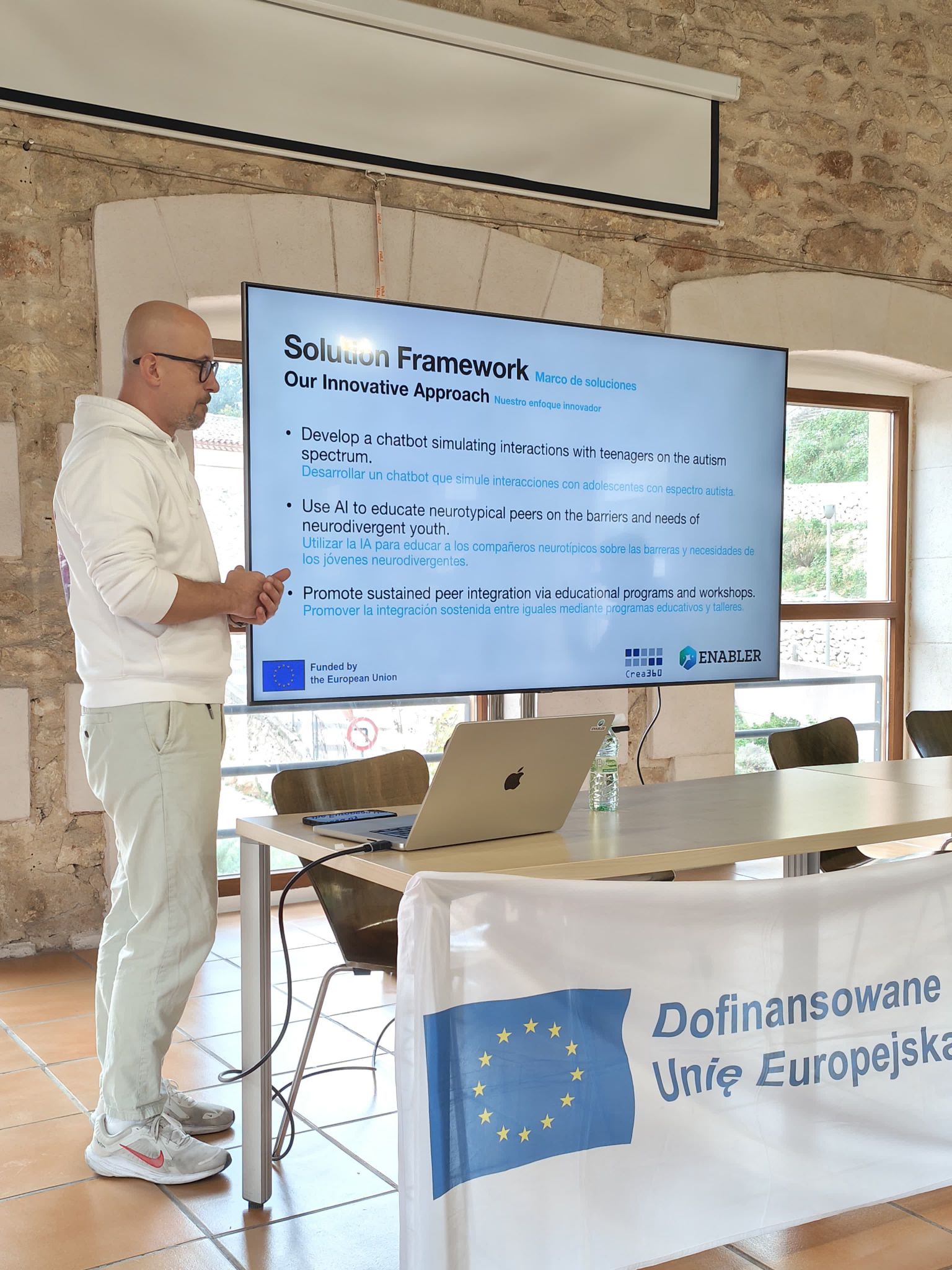
The core innovation of the project is the development of an AI-powered chatbot that simulates the communication patterns, preferences, and behaviours of a teenager on the autism spectrum. This "autism simulator" will serve as a practical, interactive educational tool for youth without disabilities, helping them to explore and empathize with the lived experiences of their autistic peers. Alongside this tool, we will develop a comprehensive educational script providing guidelines for its use and broader context on neurodiversity.
The number of autism diagnoses among children and adolescents has increased significantly in recent years. In Poland alone, the number of children and teenagers diagnosed with autism or Asperger's syndrome rose from approximately 57,000 in 2019 to over 82,000 in 2022. More and more young people on the spectrum attend mainstream schools, where, in theory, they should have more opportunities for social integration. In practice, however, many still remain isolated—often not because of their own behaviours, but because of the lack of awareness and support from those around them.
A survey conducted in 2024 among autistic youth in Poland revealed that:
These statistics are not merely numbers. They reflect real feelings of loneliness, exclusion, and the desire to be part of the social world.
One of the major reasons behind these barriers is a widespread lack of understanding of what autism is—and what it is not. Autistic behaviours are often misinterpreted as rude, distant, or odd, leading to social rejection and bullying. This creates a vicious cycle: young people on the spectrum, once hurt, retreat from social situations, which reinforces their isolation and makes future interactions even more difficult.
Our project directly addresses this cycle by raising awareness, breaking down stereotypes, and providing young people with the opportunity to learn by doing. The chatbot acts not only as a simulator, but also as a bridge—one that helps non-autistic youth gain insight into how an autistic mind might interpret and experience the world.
The inclusion and diversity principles of the Erasmus+ programme are at the heart of this project. By empowering both autistic and neurotypical youth to understand and connect with each other, we promote social equity, reduce discrimination, and foster a culture of empathy. Moreover, we challenge the assumption that inclusion means simply placing young people in the same space. Instead, we show that true inclusion requires preparation, mutual effort, and intentional learning.
The voice of neurodivergent youth is central to the project. Rather than designing solutions for them, we design with them. The teenagers involved in co-developing the chatbot are not just testers—they are experts of their own experience. Their input shapes the personality, tone, and behaviour of the simulator, making it a truly inclusive and representative product. This process also boosts their self-esteem, gives them a sense of agency, and shows them that their voices matter in shaping society.
In a broader sense, the project contributes to a much-needed paradigm shift in how we think about diversity and inclusion in education. It encourages young people to see difference not as a threat, but as an opportunity for growth. It helps build bridges between groups that too often remain separated by misunderstanding and silence.
We believe that every young person—regardless of cognitive ability—has the right to feel seen, valued, and included. Through innovative technology, participatory methods, and intercultural exchange, this project brings us one step closer to that vision.
Together, let's build a future where inclusion is not just a policy, but a shared experience.
The project was structured around three main activities:
All three activities were implemented with equal involvement from both partner institutions: Fundacja Enabler, which coordinated the project, and the transnational partner from Spain, the company Crea 360.
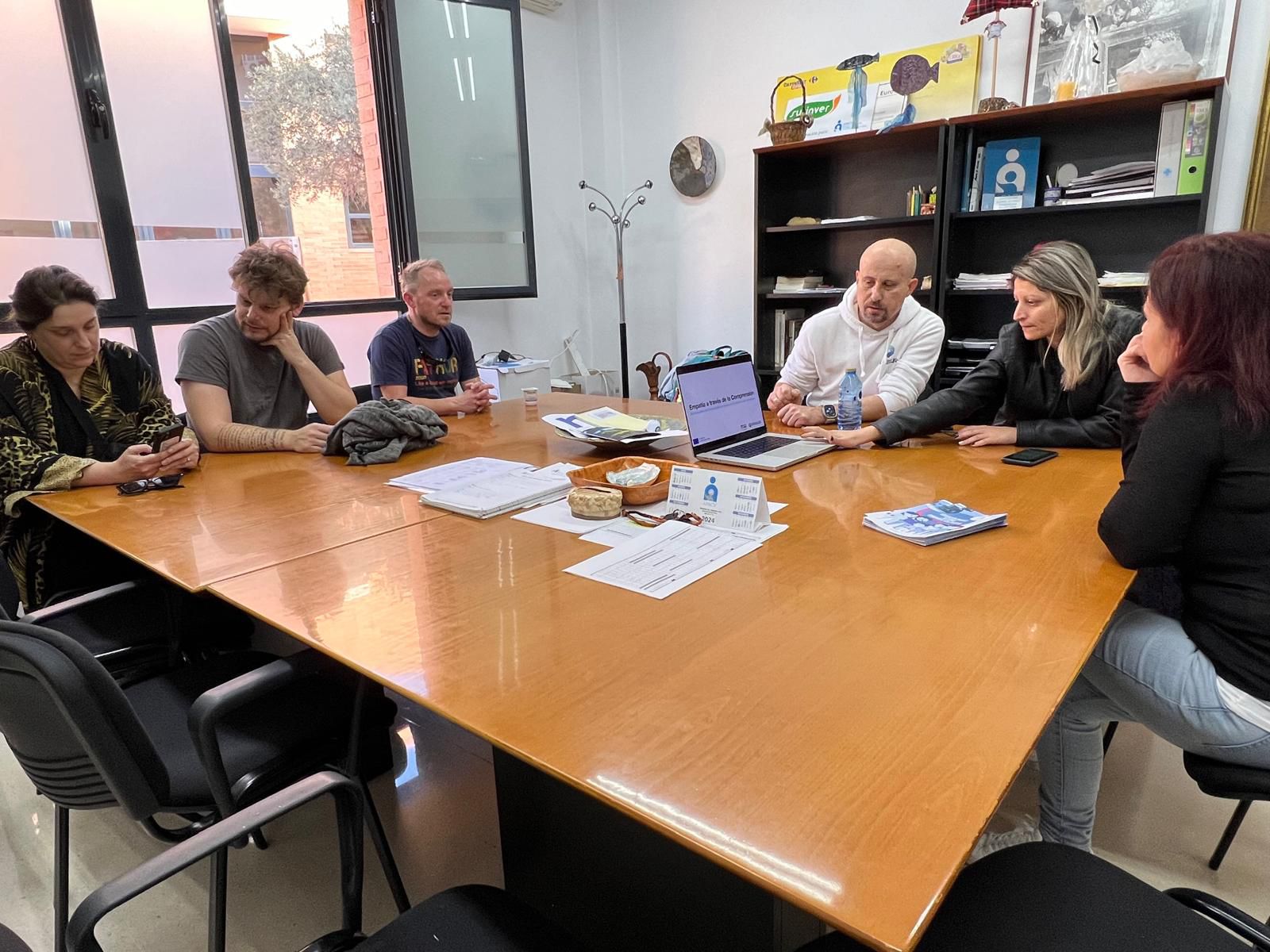
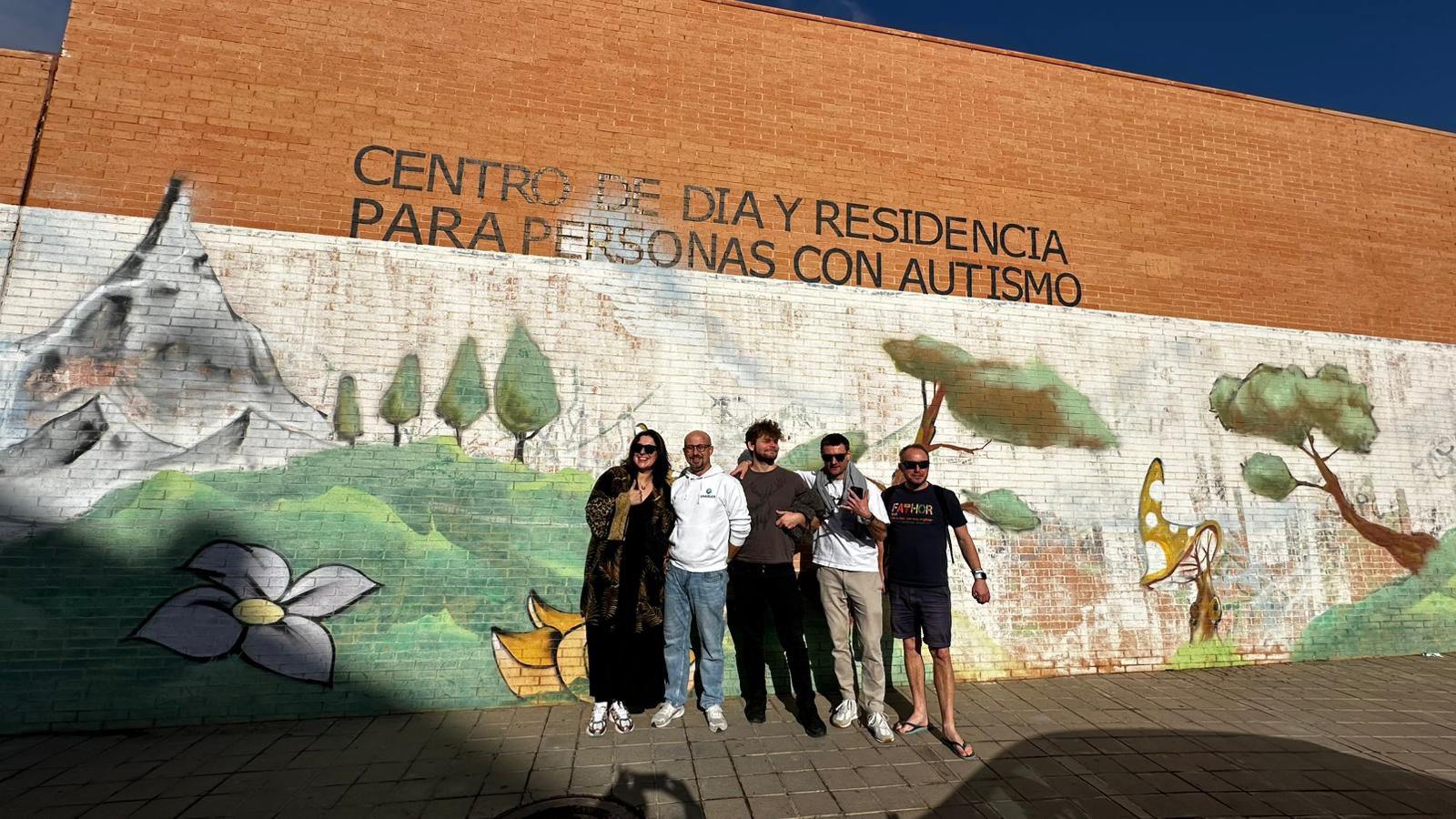
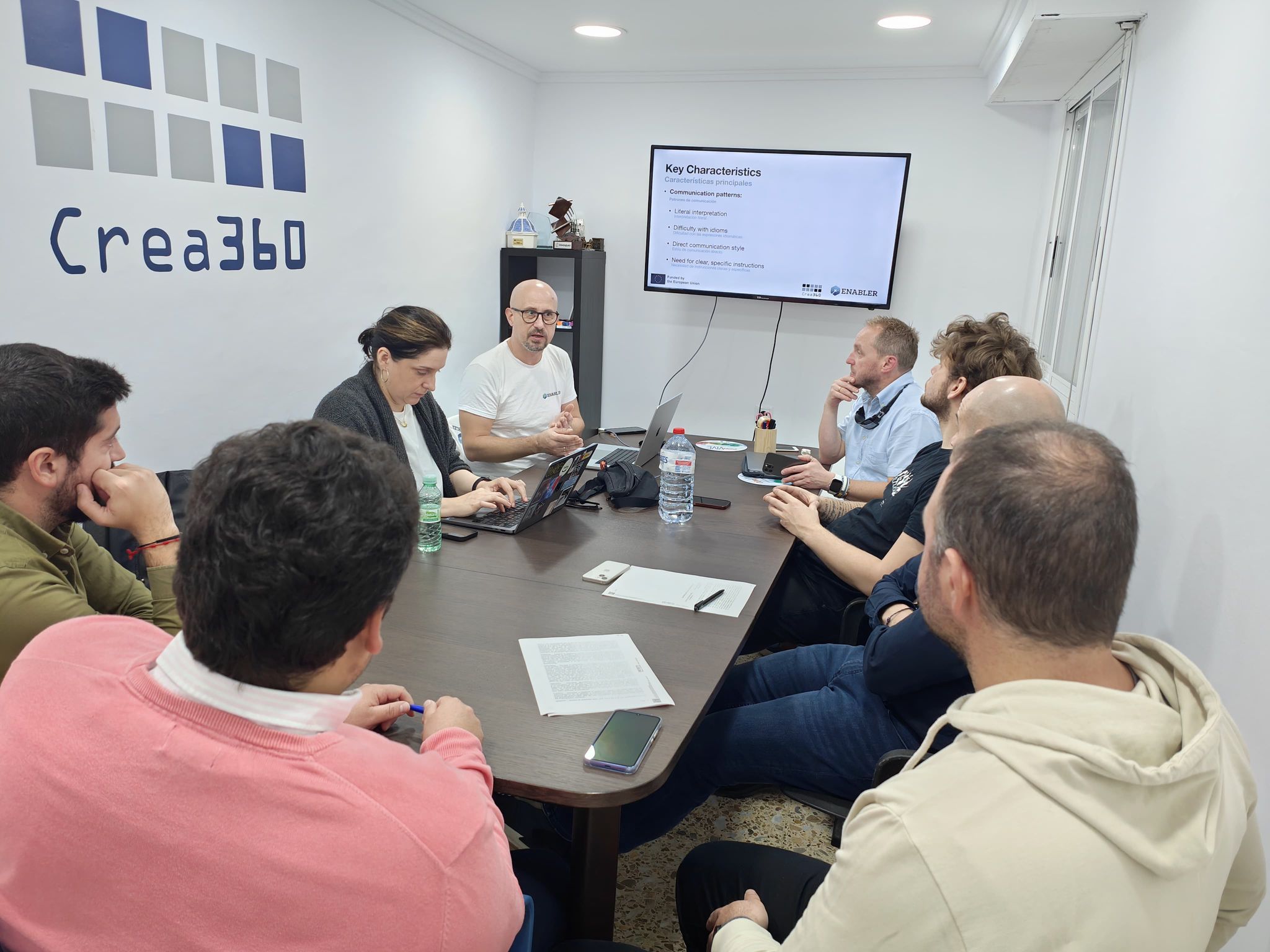
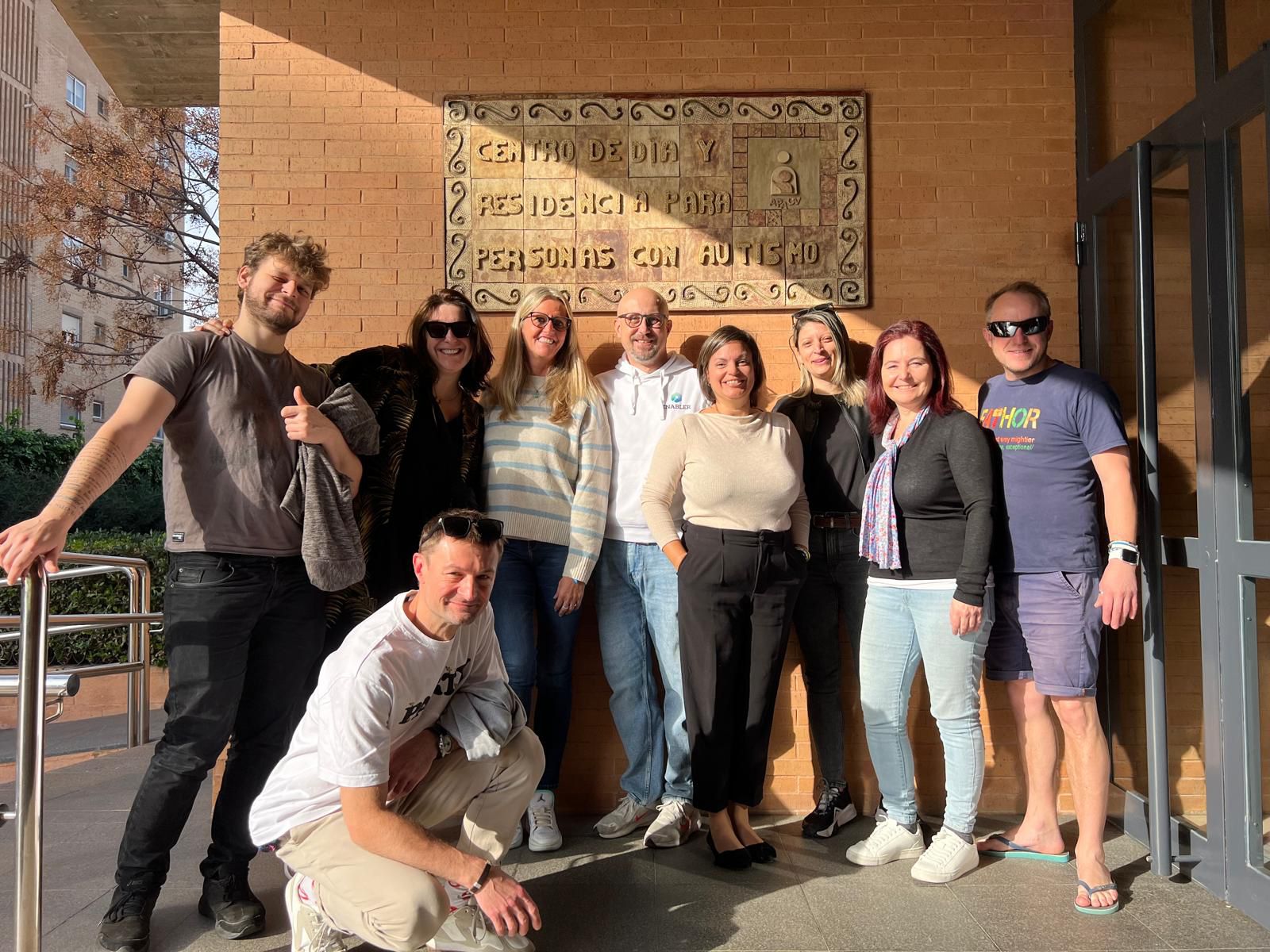
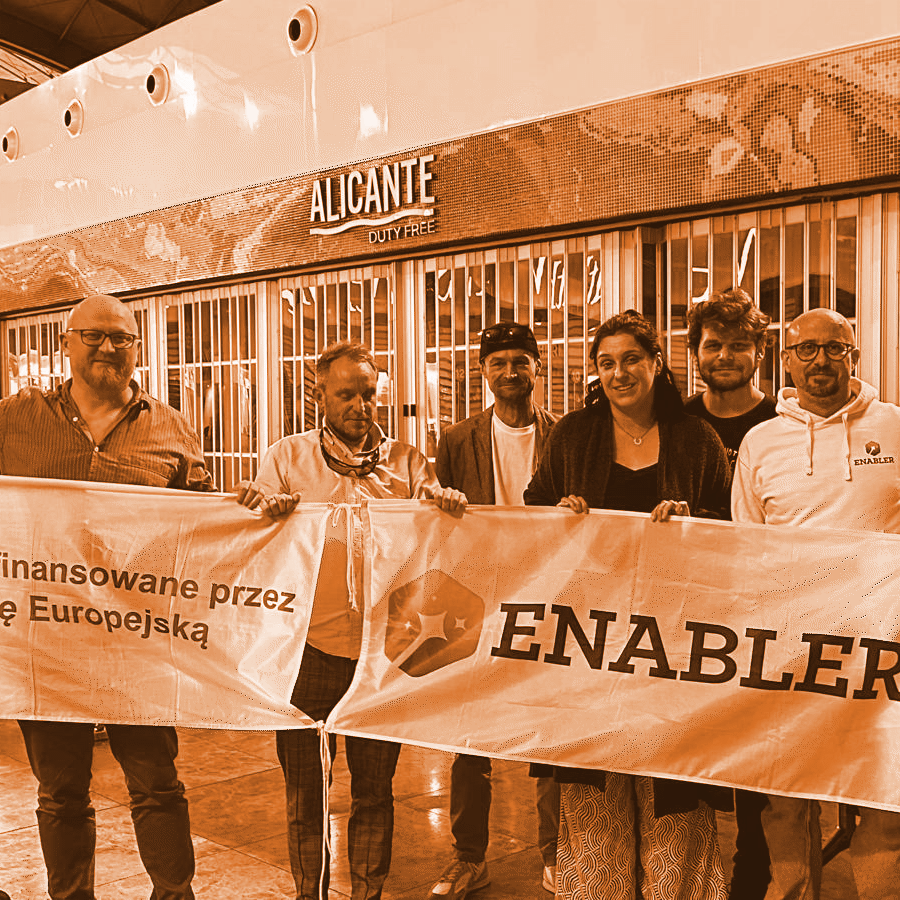
From 23rd to 28th November 2024, the Spanish town of Cocentaina hosted an intensive and deeply engaging transnational training activity within the framework of the project. This six-day mobility brought together 12 youth trainers from two partner organisations: Fundacja Enabler (Poland) and Crea 360 (Spain). Its primary objective was to equip participants with the knowledge, tools, and pedagogical strategies needed to support young people with cognitive disabilities—particularly those on the autism spectrum—through inclusive digital education and artificial intelligence solutions.
The training began with a warm welcome and a comprehensive introduction to the project's goals, structure, and expected results. Representatives from Crea 360 presented their organisation's role and experience in youth inclusion. Thematic sessions provided insights from the initial project diagnosis, highlighting the potential of AI in facilitating social integration for young people with cognitive disabilities. A keynote lecture by an expert in artificial intelligence introduced participants to current trends and practical applications relevant to special education.
The second day focused on mapping existing AI tools and evaluating their suitability for supporting inclusive practices. A brainstorming session allowed trainers to define key criteria for selecting AI functionalities. In the afternoon, participants visited CPEE Santo Ángel de la Guarda, a school specialising in education for youth with disabilities. This visit enabled trainers to observe inclusive teaching strategies and gather expectations from educators regarding the AI simulator. Later, participants co-designed a detailed 80-question survey aimed at gathering input from the autistic youth who would help build the simulator.
The third day delved into the legal and technical dimensions of the project. A legal consultant guided participants through data protection regulations, copyright law, and ethical data handling—particularly important in projects involving vulnerable youth and AI. A subsequent hands-on workshop introduced tools for data analysis, interview transcription, and data cleaning. Trainers tested text-to-data conversion technologies and explored how to ethically and efficiently handle participant input.
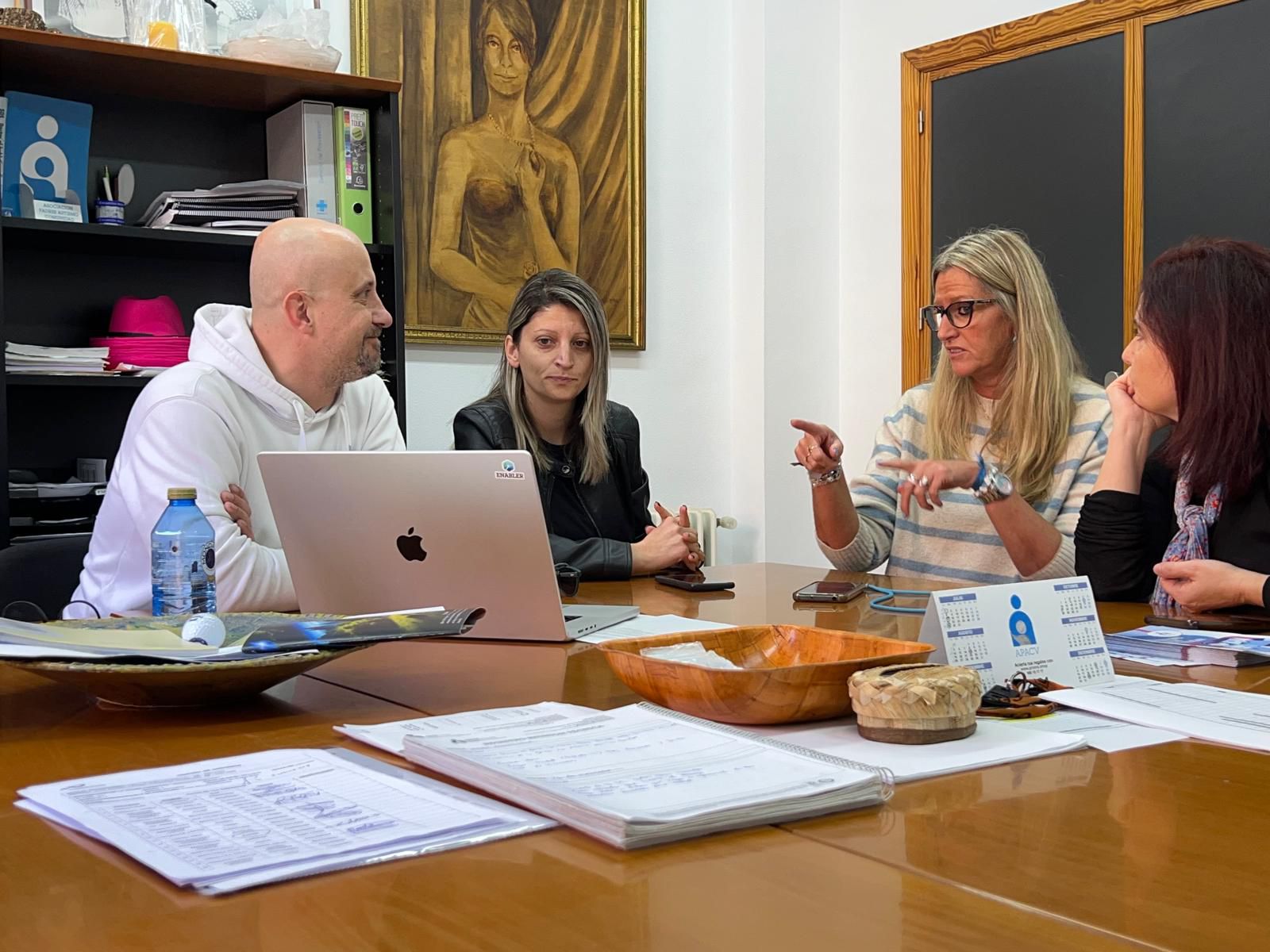
On the fourth day, participants conducted a second study visit to Centro de Educación Especial Alinur, where they engaged in in-depth discussions with staff and learners about the daily challenges experienced by neurodivergent youth. Drawing on this experience, trainers began drafting the first version of the AI simulator's script, focusing on realistic dialogue and behaviour modelling. The day concluded with a focus group involving young people from the centre, who provided valuable feedback on the draft and expressed preferences for interaction patterns, tone, and accessibility features.
The fifth day was dedicated to consolidating previous work. Participants refined the structure and content of the survey and simulator pre-script. Each partner team presented their vision for the AI tool, explaining their design choices and proposing refinements. These collaborative presentations enabled cross-cultural learning and ensured alignment with shared project goals. The session ended with a strategic planning discussion where teams assigned responsibilities and milestones for the next phases of simulator development and pilot testing.
The final day began with a summary presentation of all deliverables produced during the mobility. Trainers reviewed the week's key takeaways and evaluated the experience through pre- and post-training self-assessment tools. A closing debate on future challenges and opportunities for the AI simulator provided a meaningful exchange of ideas. In the final session, participants received official Erasmus+ certificates of participation and shared personal reflections on their learning journey.
One of the core intellectual outputs of the project was the design, development, and documentation of an AI-powered chatbot that simulates the communication style of a teenager on the autism spectrum. The purpose of this tool was not only technological innovation but, above all, social transformation. By offering an immersive and realistic communication simulator, the project aimed to enable teachers, classmates, youth workers, and the broader public to better understand how neurodivergent adolescents experience everyday interactions. The initiative was grounded in empathy, authenticity, and inclusion.
The development process was carried out in 13 structured stages, each playing a key role in ensuring that the final product would be both technically sound and socially responsible.
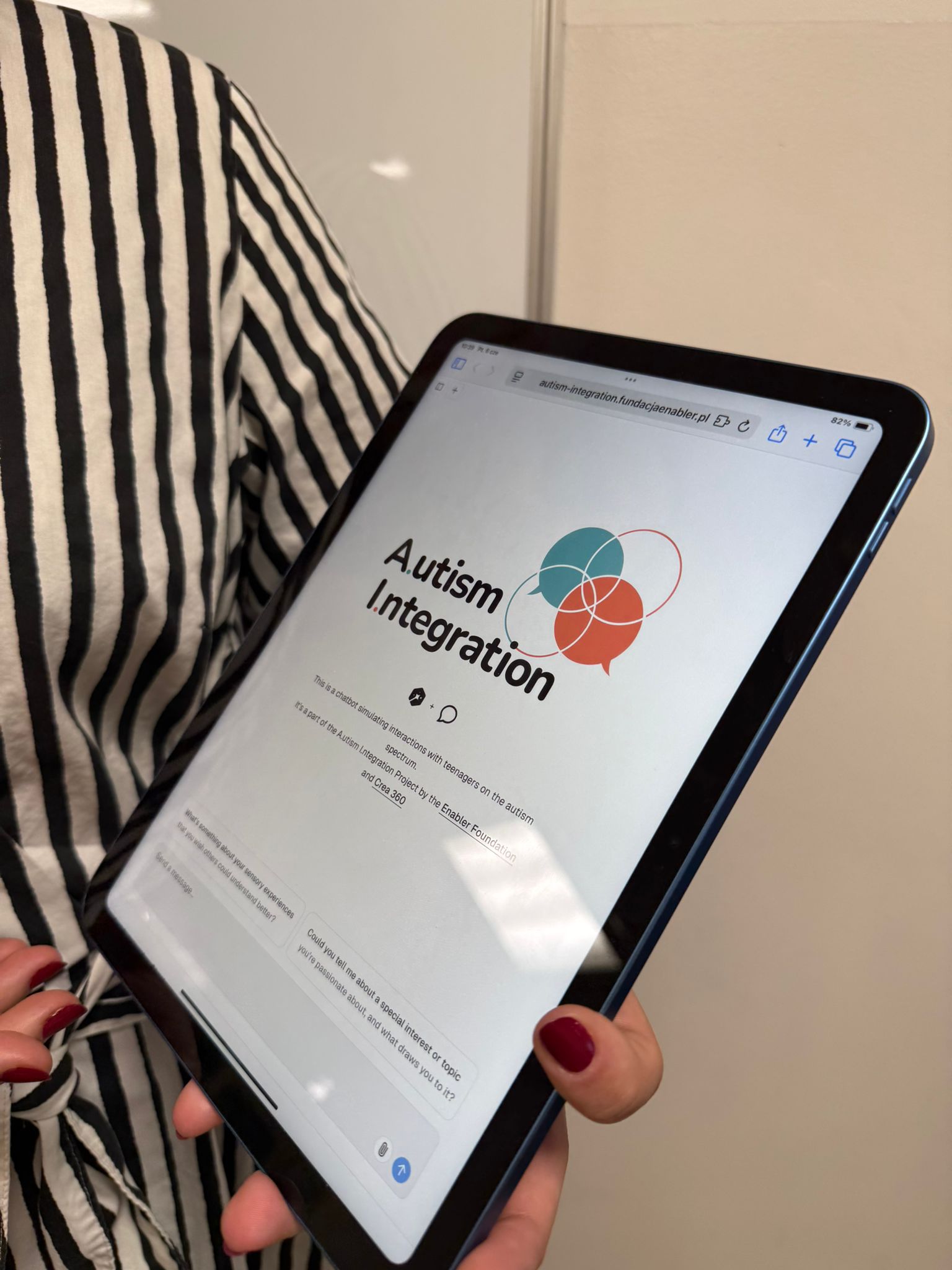
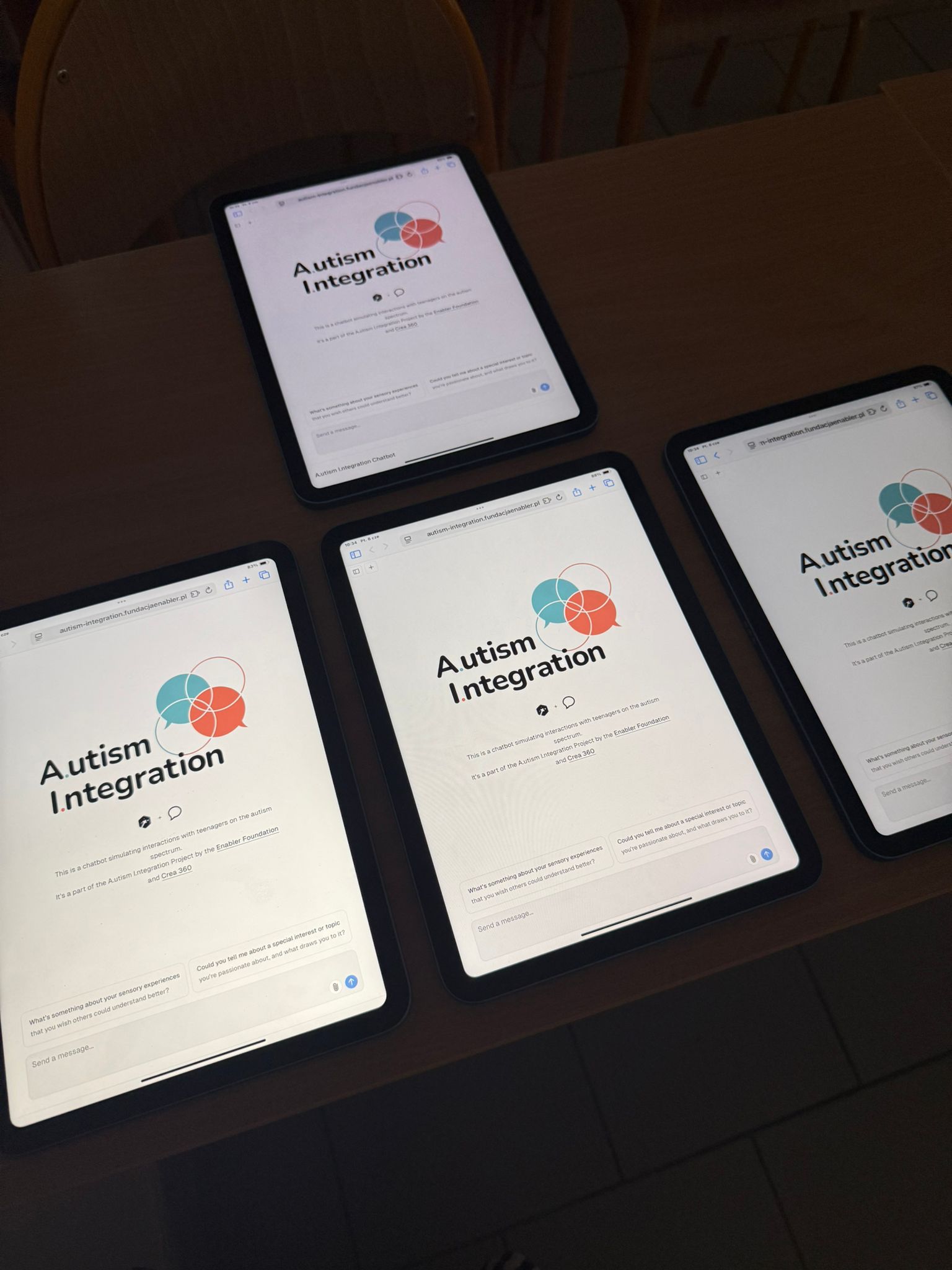
The process began with the creation of a dedicated online environment hosted under the subdomain autism-integration.fundacjaenabler.pl. This secure digital space served as the operational and public interface of the chatbot and allowed for continuous updates and testing in a controlled setting.
A team of psychologists and youth educators co-created an 30-question survey designed to capture the communicative, emotional, and cognitive nuances of adolescents on the autism spectrum. The tool was intended to go beyond surface-level stereotypes and enable the creation of a comprehensive conversational model rooted in authentic experience.
Fifty four teenagers with autism participated in recorded interviews, conducted with full consent from both the youth and their guardians. These conversations provided rich data on how neurodivergent young people express themselves, respond emotionally, navigate interests, and interact socially. Diversity among participants ensured a broad and representative spectrum of behaviours.
Using OpenAI's Whisper—one of the most advanced speech recognition systems—recordings were converted into precise and contextually accurate transcripts. High transcription quality was critical to preserve the authenticity of expressions and ensure the integrity of the final script.
Each transcript was carefully reviewed to remove personal data and irrelevant dialogue. Interviewer interventions were stripped out, and only user-generated content relevant to modelling autistic communication was retained. The result was a clean, ethically sourced dataset ready for prompt engineering.
This pivotal stage involved the creation of an elaborate system prompt—a foundational script that instructs the AI model to behave like a teenager with autism. Unlike generic AI chatbots, this simulator had to exhibit unique communication traits, emotional reactions, social responses, and topic preferences aligned with autistic profiles. The prompt was developed based on scientific literature, qualitative data from interviews, and clinical expertise. Rather than modelling a single personality, the system was designed to randomly assign different neurodivergent profiles at the beginning of each conversation—making each interaction distinct and multidimensional.
Given the sensitivity of the subject matter, advanced moderation systems were implemented to prevent misuse. The chatbot was configured to detect and respond to hate speech, threats, sexual content, or self-harm-related language, thereby ensuring a safe learning space for all users.
Developers used the Next.js framework and a reliable open-source template to build the chatbot's backend. This allowed the team to concentrate on content modelling and prompt refinement rather than recreating standard technical components from scratch.
Although the initial plan involved using OpenAI's GPT architecture, later development and testing revealed that the Claude model by Anthropic offered more consistent, human-like dialogue flow. Its performance in generating realistic, empathetic, and coherent responses made it better suited for the project's aims.
The front-end interface was developed with usability in mind, particularly for users with limited experience with digital tools. The application was optimised for both desktop and mobile, and the visual layout was clean, intuitive, and accessible.
A user manual was created to accompany the chatbot, explaining how to engage with the simulator effectively. It included sections on interpreting the chatbot's responses, using the tool in educational settings, and translating digital experiences into real-world communication improvements.
Legal experts developed terms of service and privacy documentation, clearly outlining user rights, data usage limitations, and reporting protocols for inappropriate behaviour. These documents ensure transparency and legal protection for both users and project partners.
A comprehensive technical script was compiled, describing the architecture, dataset processing methods, AI integration, and moderation systems in detail. This documentation supports future enhancements, replication in other countries, or potential open-source distribution.
The ultimate goal of this action was not to simulate "disability" but to create a bridge between two often separate social realities—those of neurodivergent and neurotypical youth. The chatbot provides a safe and instructive space where users can learn by experience: how to communicate, how to listen without judgment, how to respond to unexpected conversational turns, and how to avoid triggering or dismissive behaviour.
By basing the simulator on real conversations with teenagers on the spectrum, the project ensured that authenticity and nuance remained central. This made the tool not only more educationally useful but also respectful of the community it represents.
The AI-driven chatbot stands as a pioneering example of how technology can promote empathy, challenge stereotypes, and support the inclusion of cognitively diverse individuals. The educational script and usage guidelines further empower teachers and trainers to facilitate reflective discussions around inclusion, communication, and digital ethics.
As of the end of the development phase, the chatbot was made available for piloting by partner organisations and select educators. Feedback from both neurodivergent and neurotypical youth confirmed that the tool was both engaging and insightful.
The educational script will continue to evolve, incorporating suggestions from users and partners. Plans for dissemination include presentations at youth conferences, integration into teacher training modules, and availability on the project's website.
In a world where digital communication dominates and misunderstandings multiply, this chatbot offers a fresh, practical, and deeply human way to foster connection. It is not a replacement for real social interaction—but it is a starting point for understanding it better.
We invite you to test our simulator:
https://autism-integration.fundacjaenabler.pl/
As the final stage of the project, a series of inclusive and experiential workshops were organised for a total of 60 young people—30 participants from Poland (Gdynia) and 30 from Spain (Cocentaina and surrounding areas). These activities were designed to scale up the impact of the project by directly engaging neurotypical teenagers in testing, reflecting on, and spreading inclusive practices using the AI-powered chatbot developed earlier in the project.
The workshops were delivered in three stages, each exploring a different dimension of cognitive diversity, peer support, and the potential of artificial intelligence in promoting social inclusion.
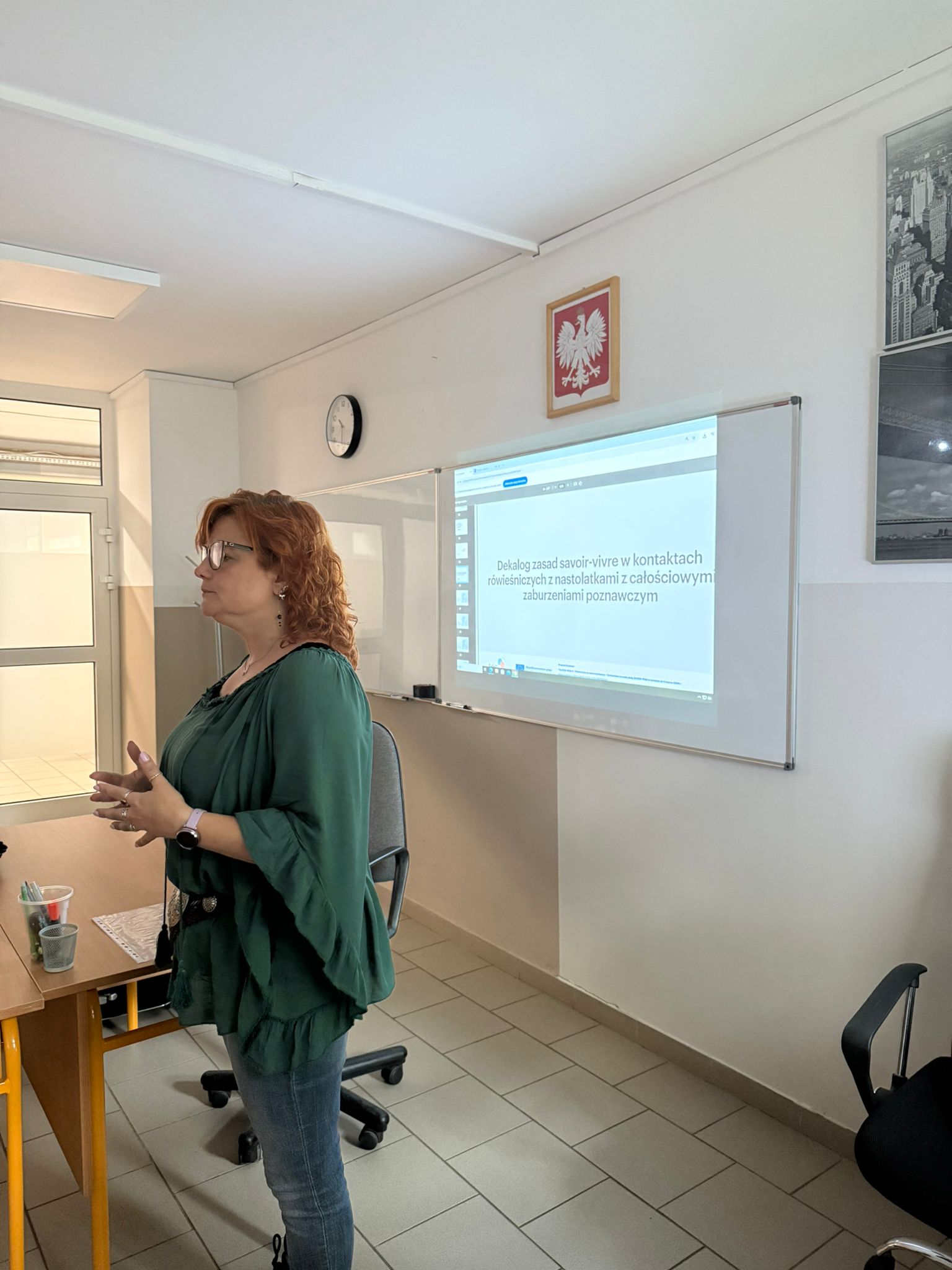
The first session began with a warm-up discussion: "What do you know about autism spectrum disorder?". This open conversation served to surface existing assumptions, misunderstandings, and areas of curiosity among the teenagers. Following this, the trainers presented the core objectives of the project and offered a clear, accessible definition of autism spectrum disorder (ASD). Emphasis was placed on the diversity of functioning within the spectrum and the absence of a single "template" for what autism looks like.
A group-based game helped debunk common myths and stereotypes, creating a safe and engaging environment for learning. Participants were also exposed to global and national statistics on autism, and they learned about prominent public figures who identify as neurodivergent.
To consolidate this knowledge, a Kahoot quiz tested participants' awareness of ASD in science, culture, and pop culture. After a short break, the session shifted toward empathy-building and peer advocacy. Small groups brainstormed the needs of peers on the spectrum and explored how to be a supportive classmate or friend.
The highlight of the day was the first hands-on experience with the AI chatbot simulator. Working in pairs or small groups using tablets, participants engaged in simulated conversations with the chatbot and were encouraged to observe communication patterns and emotional responses. A group discussion followed, exploring questions such as: "What surprised you?", "What challenged you?", and "How can we become more inclusive as a group?"
The day ended with a collaborative mapping of potential actions under the theme: "What can we do in our school?"
The second session started with a brief recap of the previous workshop, reinforcing the concepts and values introduced earlier. Participants returned to the simulator to explore new conversational paths and scenarios. This time, the focus was on variation: how the chatbot responded differently depending on its randomly assigned personality profile, emotional state, or social context.
Groups worked with printed worksheets to track chatbot reactions and reflect on how communication differences might feel in real-life school interactions. Using this as a base, they co-created a "Decalogue of Inclusive Communication" for peer interactions with students who experience cognitive challenges.
Next, students were presented with short situational scripts—e.g., misunderstanding in a group task, emotional overload during class, or unclear social rules in a group chat. Using the chatbot, they practised responses, adjusted their tone and approach, and evaluated how to support a classmate in each case.
In the final part of the session, students participated in a "moving debate" with the central statement: "Do I need to understand in order to support?" By physically taking sides (agree/disagree), expressing arguments, and listening to others, they confronted their assumptions and broadened their perspective on inclusion.
The workshop concluded with the creation of class-wide declarations: visual posters or mind maps stating what actions they would commit to as a group to promote peer support and understanding.
The final session deepened the work on empathy and problem-solving. It opened with a myth-busting activity about young people with cognitive disabilities, followed by a return to the chatbot simulator, this time from a reflective angle.
Participants were tasked with analysing social situations through the eyes of the chatbot—interpreting not just what was said but how it might feel to the chatbot's character, and what needs might underlie each reaction. They added emotional annotations to conversation snippets and built shared lists of needs and potential difficulties experienced by their neurodivergent peers.
Next came the "Mapping Barriers" activity. Students explored various aspects of school life—classroom dynamics, break times, group work, school trips—and identified what might be challenging for someone with cognitive differences. In pairs, they completed the "3xP Game: Need–Obstacle–Idea", where they generated practical solutions to real or simulated school scenarios.
The most creative and impactful moment was the creation of a "Cloud Map" centred around the figure of a cognitively diverse peer. Surrounding this centre, students visually mapped needs, barriers, ideas, allies, and institutions that could support inclusion. This exercise synthesised the learning journey and enabled participants to think systemically about inclusive change.
To close the workshop cycle, the trainers posed the question: "How can AI support students with cognitive disabilities?" The discussion tied together their experiences with the chatbot and invited critical thinking about technology's role in education and inclusion.
The workshops reached a total of 60 teenagers, who not only tested the AI chatbot but also contributed to its ongoing refinement through feedback and critical engagement. The activities fostered empathy, digital literacy, peer awareness, and a commitment to inclusion. Most importantly, the workshops ensured that young people became not just beneficiaries but co-creators and ambassadors of change.
By involving youth in the scaling-up process, the project extended its impact beyond professionals and developers, bringing inclusive technology directly into the hands of those who can use it to build more understanding and compassionate communities.
As part of the youth workshops, participants co-created a set of three informative and visually engaging leaflets, available in both Polish and Spanish. These materials were designed not only as educational tools but also as powerful statements of youth-driven advocacy for inclusion and understanding. Each leaflet reflects the insights, reflections, and creative input of teenagers who participated in the workshops—many of whom had their first in-depth exposure to the realities of autism spectrum disorder through this project.
This leaflet challenges the most common and harmful misconceptions about people on the autism spectrum. Through accessible language and real-life examples, it dismantles stereotypes such as "people with autism don't feel emotions" or "they all have the same behaviours". The content encourages readers to look beyond labels and understand autism as a diverse, deeply individualised experience.
Focusing on empathy and inclusion, this leaflet presents the everyday needs and challenges faced by neurodivergent youth—in schools, peer groups, and family settings. It emphasises the importance of predictability, sensory awareness, communication styles, and emotional safety. The resource is particularly useful for educators, classmates, and anyone seeking to become a better ally.
This final leaflet offers practical tips and scenarios illustrating how neurotypical young people can be more inclusive and mindful in their interactions. From initiating conversations to understanding non-verbal cues and respecting boundaries, the material translates workshop lessons into concrete everyday actions. It also includes quotes from participants who used the AI chatbot, sharing how their perceptions of communication and friendship were transformed.
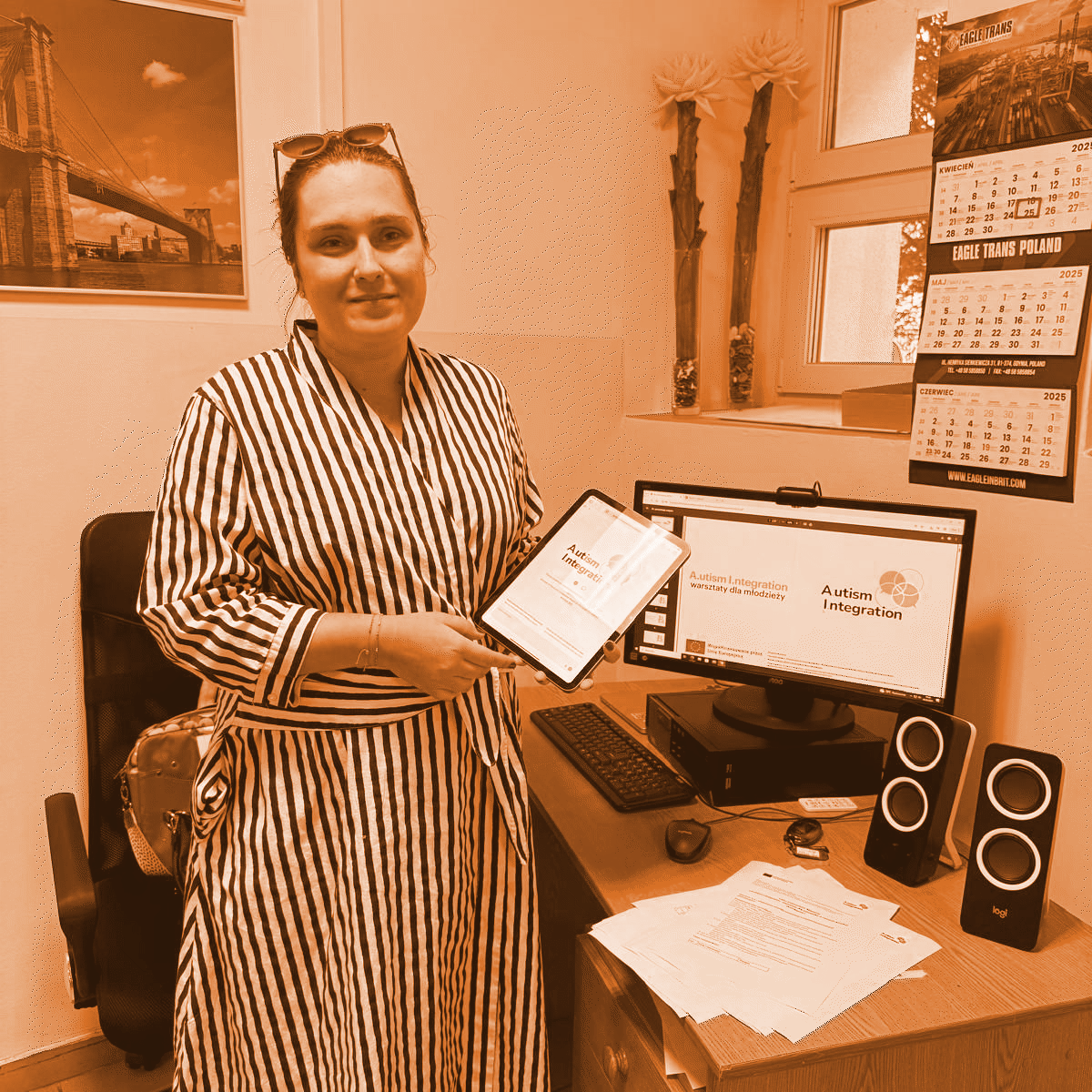
Flyers busting myths about autism and promoting inclusion. Available in English, Spanish and Polish.
Posters promoting the project and the chatbot. Available in English, Spanish and Polish.
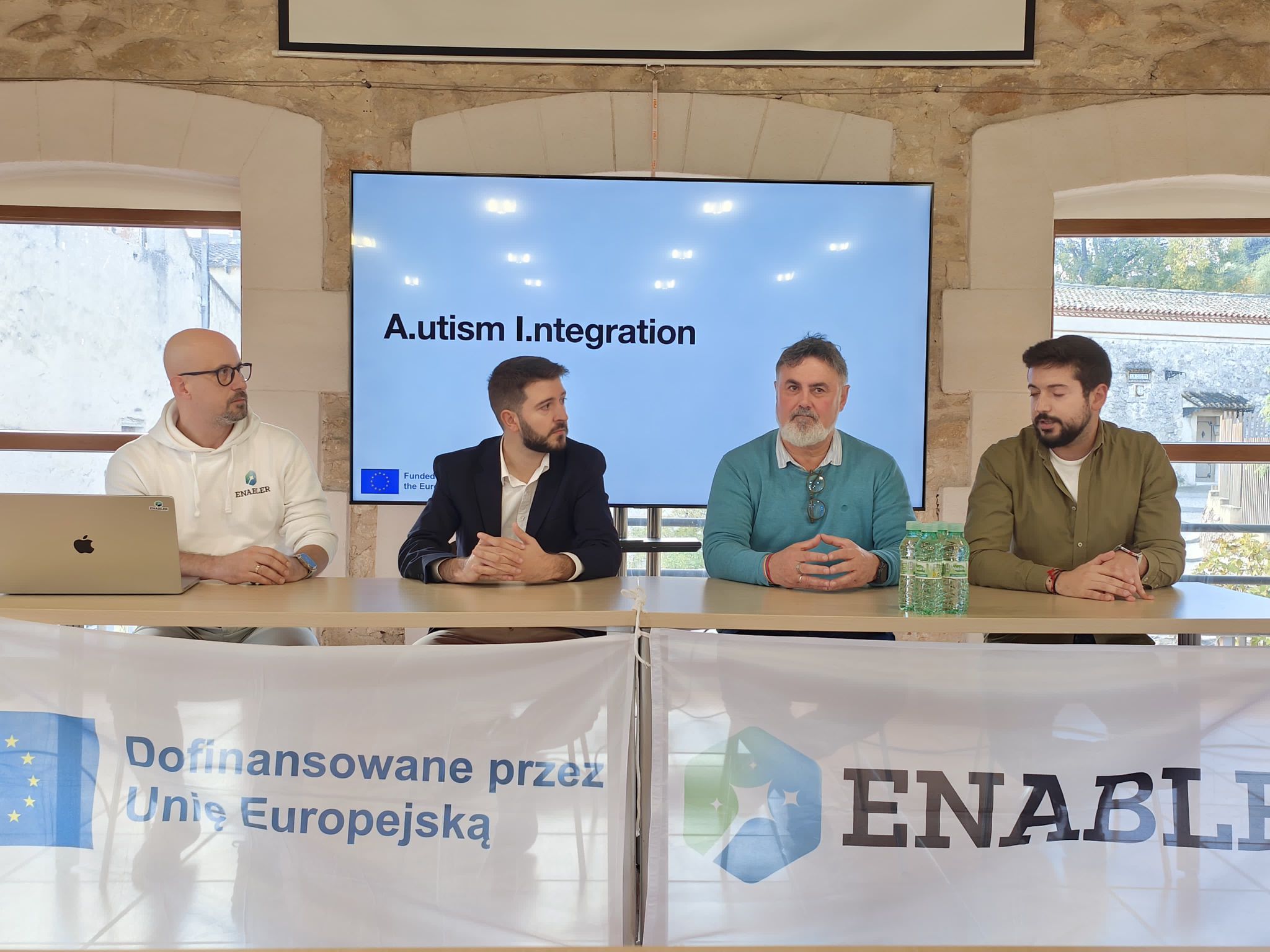
A couple of photos showing the activities during our mobility.